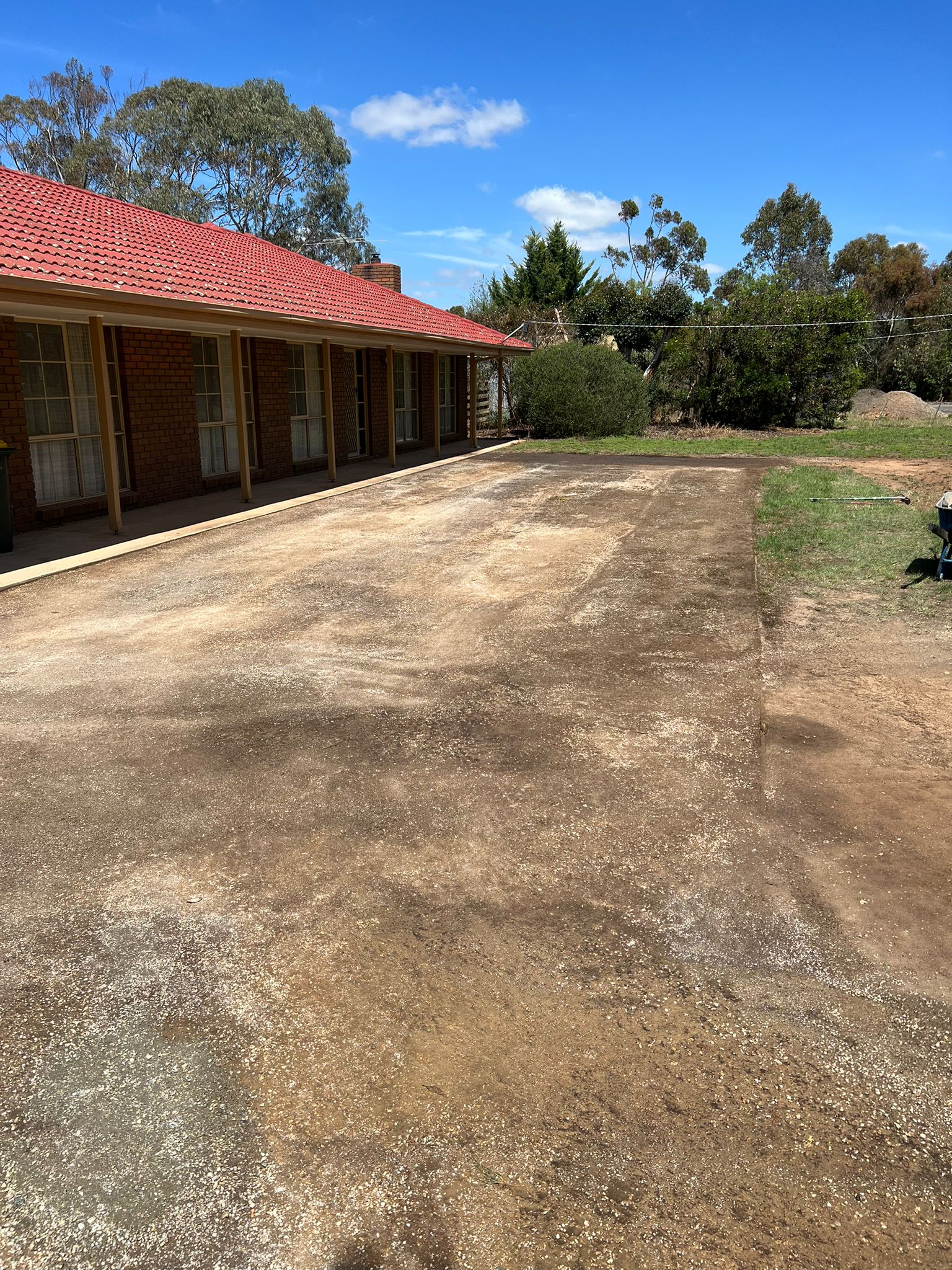
A road rarely deteriorates all at once. The first changes may be relatively minor: a rougher driving surface, loose aggregate, small cracks or isolated areas beginning to wear. Over time, however, these defects can allow water and traffic to place increasing stress on the pavement.
For property owners in Dalby, QLD, a worn road does not automatically mean that the entire pavement needs to be rebuilt. If the underlying structure remains suitable, Spray & Seal bitumen may provide an effective way to renew the wearing surface and protect the pavement from further deterioration. The key is determining whether the existing road is in the right condition for this type of resurfacing.
What Is Spray & Seal Bitumen?
Spray & Seal is a surfacing treatment in which bituminous binder is sprayed over a properly prepared pavement before selected aggregate is spread across it. The aggregate is then rolled into the binder to create a durable, textured wearing surface.
Depending on the requirements of the road, the treatment can be designed using different applications of binder and aggregate.
Rather than simply covering an old surface, a successful Spray & Seal project depends on appropriate preparation and a sufficiently stable pavement underneath.
What Does a “Worn” Road Actually Mean?
Not every worn road has the same problem. Some pavements remain structurally sound but have lost surface condition through years of traffic and weather exposure. Others may have deterioration extending through the surface and into the supporting layers.
Signs of surface wear can include:
- Loose or exposed aggregate
- Minor cracking
- Faded or weathered areas
- A rough or inconsistent driving surface
- Isolated surface defects
- Early deterioration around frequently travelled sections
These conditions are different from widespread pavement movement, deep potholes or substantial deformation. Identifying that difference is essential before choosing a resurfacing method.
When Can Spray & Seal Be a Suitable Solution?
Spray & Seal is generally worth considering when the existing road still has a stable foundation but requires a renewed wearing surface.
If deterioration is primarily affecting the upper part of the pavement, preparation followed by a new seal can improve the road’s condition and provide additional protection.
For a road in Dalby, this could mean retaining much of the existing pavement rather than treating surface wear as evidence that everything underneath has failed.
However, the road should be inspected first to determine whether its existing structure can support the proposed treatment.
Helping Protect the Pavement From Water
One of the most important functions of a sealed road surface is limiting water penetration.
As pavement ages and cracks develop, moisture can find pathways into the supporting layers. If those materials become weakened, repeated vehicle loads can cause movement and accelerate deterioration.
The bituminous binder in Spray & Seal helps create a water-resistant surface over the prepared pavement. This provides renewed protection against moisture entering from above.
Existing defects still need appropriate attention beforehand. A new seal should complement sound preparation rather than be used to hide unresolved damage.
Improving a Rough and Weathered Surface
An ageing road can become progressively less comfortable to drive on as the wearing surface deteriorates. Loose material and inconsistent sections may also make the road more difficult to maintain.
Spray & Seal creates a renewed aggregate wearing surface that can improve the consistency of the road.
For a suitable existing pavement, this can make everyday vehicle access more practical while protecting the layers beneath from continued exposure.
What About Existing Cracks?
Cracks should be assessed before resurfacing because their appearance can provide useful information about pavement condition.
A limited number of minor cracks may be treatable during preparation. Extensive cracking, particularly when accompanied by settlement or deformation, can indicate deeper pavement movement.
Simply sealing over significant cracks does not remove the forces that caused them. If the underlying pavement continues moving, defects may eventually affect the new surface.
Professional inspection helps determine whether cracking is predominantly a surface maintenance issue or evidence that more extensive repairs are needed.
Potholes Need Attention Before Spray Sealing
A road containing a few potholes may still be suitable for Spray & Seal, but the damaged areas should be repaired correctly first.
Potholes frequently indicate that the pavement has lost support in a localised area. Loose and unstable material may need to be removed so the affected section can be restored before the wider road is resurfaced.
Where potholes are widespread, deep or repeatedly returning, the pavement may require more investigation.
Spray & Seal works best as part of a considered resurfacing process rather than as a way of covering existing failures.
Drainage Is Just as Important as the New Surface
If water continually pools on the road or runs across it incorrectly, resurfacing alone may not deliver the desired result.
Surface levels and drainage should therefore be checked before Spray & Seal is applied. Grading may be required to restore suitable falls and remove low areas where water collects.
Edges also need consideration because uncontrolled water entering from surrounding ground can affect the pavement from underneath.
Addressing drainage at the same time as surface deterioration provides better protection for the completed road.
Can an Unsealed Road Be Upgraded With Spray & Seal?
Spray & Seal can also be considered for certain unsealed roads, provided the existing road is prepared appropriately.
An unsealed road that has developed corrugations, loose material or uneven areas will normally require grading, shaping and compaction before a sealed surface is installed. Any unsuitable sections need to be addressed so the new treatment has adequate support.
The bitumen should not simply be applied over loose ground. The performance of the finished road remains dependent on the quality and stability of the pavement beneath it.
Traffic Conditions Influence the Right Approach
Before recommending Spray & Seal, contractors should understand how the road is used.
Important factors include the frequency of traffic, vehicle types, expected loads and areas where vehicles regularly brake, turn or accelerate. A road carrying occasional light vehicles has different pavement requirements from one experiencing frequent heavier traffic.
Assessing actual use allows the resurfacing treatment and preparation to be better matched to the demands placed on the road.
When Might Spray & Seal Not Be Enough?
There is a point where surface renewal is no longer the main requirement.
Warning signs of more significant pavement problems can include:
- Widespread interconnected cracking
- Deep or recurring potholes
- Significant rutting
- Large sunken areas
- Noticeable pavement movement
- Extensive edge failure
- Persistent drainage-related deterioration
Where these conditions are present, the underlying pavement may need repairs or rehabilitation before a new surface can perform reliably.
Recognising this distinction helps avoid applying a surface treatment where structural work is actually required.
Why a Professional Assessment Adds Value
Deciding whether Spray & Seal is suitable involves more than looking at how worn the road appears.
An experienced contractor can examine the pavement condition, drainage, base stability, existing defects and expected traffic before recommending an approach. This assessment can also identify preparation that should be completed before resurfacing begins.
For property owners in Dalby, professional assessment provides a clearer understanding of whether the existing pavement can be successfully renewed or requires more substantial attention.
Acting Before Deterioration Becomes Extensive
There can be an advantage in assessing a worn road while the damage remains primarily at surface level.
Once water penetration, potholes and pavement movement become widespread, the scope of work required to restore the road can increase. Identifying deterioration earlier creates an opportunity to address local defects and protect pavement that remains serviceable.
Routine inspection is therefore useful even when the road is still functioning adequately.
Conclusion
Spray & Seal bitumen can be a practical solution for a worn road when the existing pavement remains sufficiently stable and the main concerns involve surface ageing, minor deterioration or loss of the existing seal. It can renew the wearing surface, help reduce water penetration and improve the consistency of vehicle access.
The condition underneath the visible surface is what ultimately determines whether Spray & Seal is appropriate. Potholes, drainage problems, unstable areas and significant cracking should be properly assessed and addressed rather than simply covered.
For property owners in Dalby, QLD, Dalby Surfacing Solutions can assess an ageing or deteriorating road and determine whether Spray & Seal resurfacing is suitable for its condition and intended use. If your road is showing signs of wear, contact our team to discuss an appropriate approach to restoring and protecting the surface.
Call us on: 07 4158 7474
Click here to find out more about Dalby Surfacing Solutions
Click here to complete our contact form and see how we can help with your driveway needs.