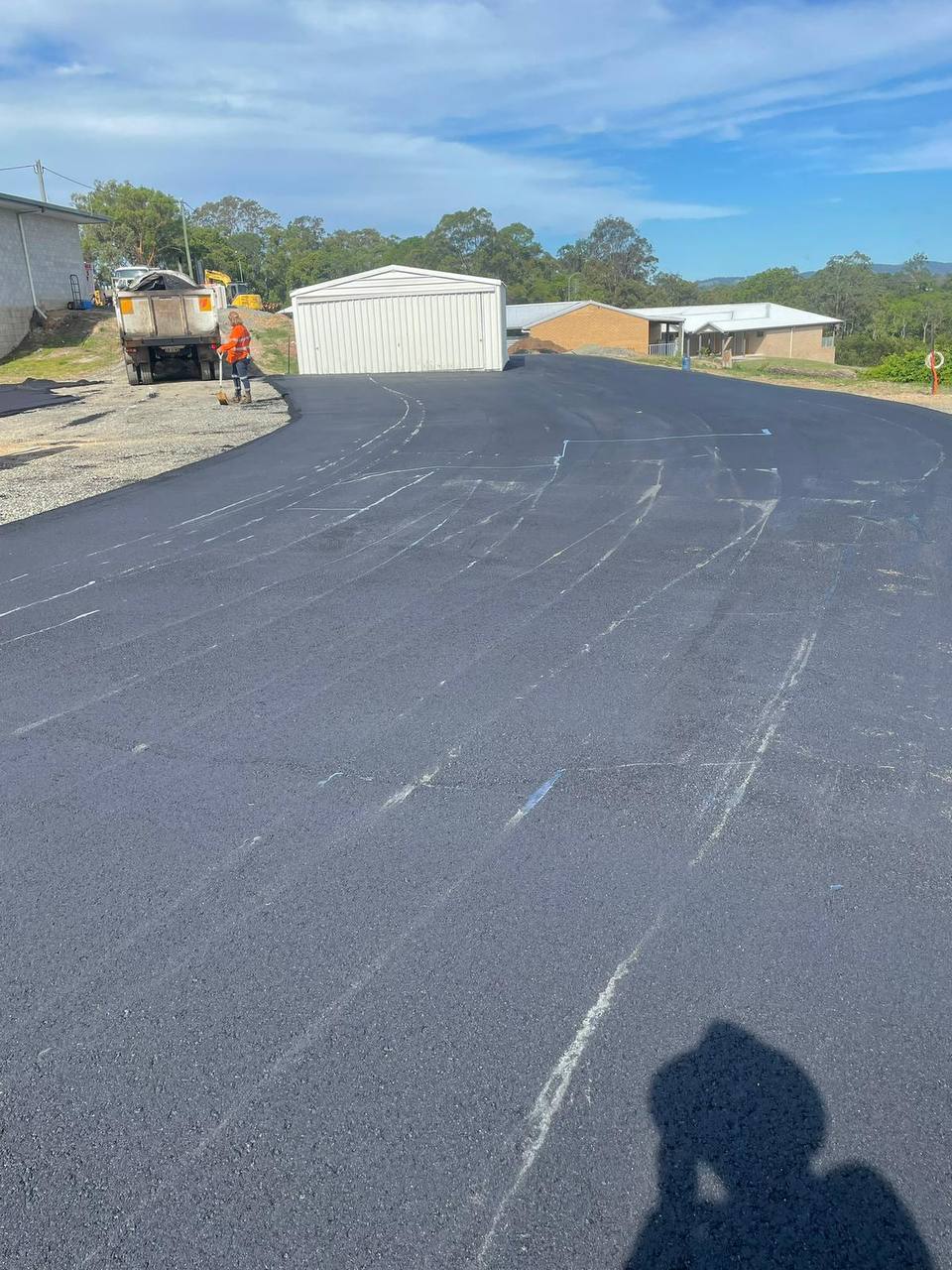
Bitumen surfacing is a practical choice for driveways, access roads, parking areas and other paved spaces because it provides a smooth, durable surface for regular vehicle use. However, exposure to sunlight, heavy rainfall, vehicle traffic and changing ground conditions can gradually affect its performance. Recognising early signs of deterioration helps property owners address defects before they develop into more extensive surface problems.
For property owners in Dalby, Queensland, regular inspections are particularly useful for identifying damage caused by intense sun exposure, water infiltration and everyday wear. Whether the surface is a residential driveway or a larger paved area, timely maintenance can help preserve its condition and improve its usability.
Dalby Surfacing Solutions provides surfacing services to help property owners identify bitumen defects, arrange suitable repairs and maintain reliable paved surfaces.
What Causes Bitumen Surfaces to Deteriorate?
Bitumen surfacing relies on a mixture of aggregate and bituminous binder to create a stable, weather-resistant finish. Over time, environmental conditions and repeated vehicle use can weaken the binder, loosen aggregate or affect the supporting layers beneath the surface.
In Dalby, Queensland, prolonged exposure to strong sunlight can contribute to binder ageing, making the surface more brittle. Heavy rain can also expose weaknesses in drainage, allowing water to penetrate cracks and affect the underlying base.
Other contributing factors include inadequate ground preparation, insufficient drainage, heavy vehicle loads and delayed maintenance. Understanding the cause of deterioration is essential because an effective repair should address the underlying problem rather than simply cover the visible damage.
Common Signs of Bitumen Surface Deterioration
1. Cracks Across the Surface
Cracking is one of the most common warning signs that a bitumen surface needs attention. Fine cracks may develop as the binder ages, while larger cracks can result from ground movement, repeated loading or weaknesses in the pavement structure.
Cracks allow water to enter the surface, potentially weakening the layers beneath. If left untreated, they may widen and develop into potholes or larger areas of failure.
Small, isolated cracks may be suitable for localised repairs, depending on their cause and extent. Widespread cracking, particularly when accompanied by unevenness or water damage, may require a more detailed assessment.
2. Loose Aggregate and Surface Raveling
Raveling occurs when aggregate particles gradually loosen and separate from the bitumen surface. The affected area may look rough, with small stones collecting along the edges or across the driveway.
This deterioration can develop when the binder ages, loses its ability to hold aggregate securely or becomes damaged by environmental exposure and traffic.
Early intervention can help prevent further material loss. If the surface has become extensively rough or loose, a professional assessment can establish whether patching, resurfacing or more substantial work is appropriate.
3. Potholes and Depressions
Potholes often develop when cracks allow water to penetrate the pavement and weaken its supporting layers. Repeated vehicle movements can then cause the damaged area to break apart.
Depressions may also indicate problems with the sub-base, poor compaction or settlement beneath the surface. These low spots can collect rainwater, accelerating deterioration and creating difficulties for vehicles.
Potholes should be assessed promptly, especially where they are growing or allowing water to accumulate. Filling the visible hole without addressing an unstable base may lead to recurring damage.
4. Faded, Dry or Brittle Bitumen
Bitumen surfaces naturally change in appearance as they age. Prolonged sunlight exposure can oxidise the binder, causing the surface to become lighter, drier and less flexible.
As the binder becomes more brittle, it may be less capable of accommodating movement and temperature changes. Cracks and aggregate loss can then become more likely.
Fading alone does not necessarily mean that repairs are required. However, a dry appearance combined with cracking, loose stones or surface fragmentation may indicate that maintenance should be considered.
5. Water Pooling After Rain
Standing water can indicate that a driveway has developed depressions or that its original drainage falls are no longer effective. Water may also collect where the surface has settled or where drainage outlets are obstructed.
Persistent pooling increases the opportunity for water to enter existing cracks and weaken the pavement structure. It can also affect the usability of the area after rainfall.
A suitable repair should address both the damaged surface and the reason water is collecting. Depending on the condition of the pavement, this may involve correcting levels, improving drainage or reconstructing an affected section.
6. Soft Spots and Surface Movement
Areas that flex, sink or appear unstable under vehicle loads may indicate a problem beneath the bitumen. Possible causes include inadequate compaction, moisture entering the base or deterioration of the supporting layers.
These defects should not be treated as cosmetic issues. If the underlying structure remains weak, surface-only repairs are unlikely to provide a lasting result.
A professional inspection can help determine the extent of the problem and identify the most appropriate repair method.
When Should You Arrange Bitumen Surface Repairs?
Not every minor surface change requires immediate resurfacing, but defects should be assessed before they spread. Consider arranging a professional inspection when you notice:
- Cracks that are widening or appearing across multiple areas.
- Loose aggregate spreading beyond a small section.
- Potholes that are growing or returning after previous repairs.
- Water pooling in the same locations after rainfall.
- Uneven sections, sinking areas or visible surface movement.
- Several signs of deterioration occurring together.
For property owners in Dalby, Queensland, early assessment can help distinguish between isolated defects and more extensive pavement failure. The appropriate response may involve crack sealing, localised patching, resurfacing or reconstruction, depending on the surface condition and the underlying cause.
How Professional Repairs Help Extend Surface Life
Effective bitumen repairs begin with identifying why the deterioration has occurred. A contractor should assess the visible damage, drainage, traffic requirements and condition of the supporting layers before recommending work.
Localised repairs can be suitable where damage is limited and the surrounding pavement remains stable. Resurfacing may be appropriate when the existing base is sound but the upper surface has deteriorated more widely. Where the supporting structure has failed, more extensive reconstruction may be necessary.
Choosing the right approach helps prevent recurring defects and supports the long-term performance of the paved area.
Dalby Surfacing Solutions can help property owners in Dalby assess damaged bitumen surfaces and determine suitable repair options for their driveways and paved areas.
Conclusion
Bitumen surface deterioration often begins with small warning signs, such as fine cracks, loose aggregate, fading or water pooling. If these problems are ignored, they can progress into potholes, unstable sections and more extensive pavement damage.
Regular inspections and timely repairs help maintain a smooth, functional surface while reducing the risk of recurring defects. The key is to address the cause of deterioration as well as its visible symptoms.
If your driveway or paved area is showing signs of wear, contact Dalby Surfacing Solutions to discuss your requirements and arrange an assessment in Dalby, Queensland, Australia.
Call us on: 07 4158 7474
Click here to find out more about Dalby Surfacing Solutions
Click here to complete our contact form and see how we can help with your driveway needs.