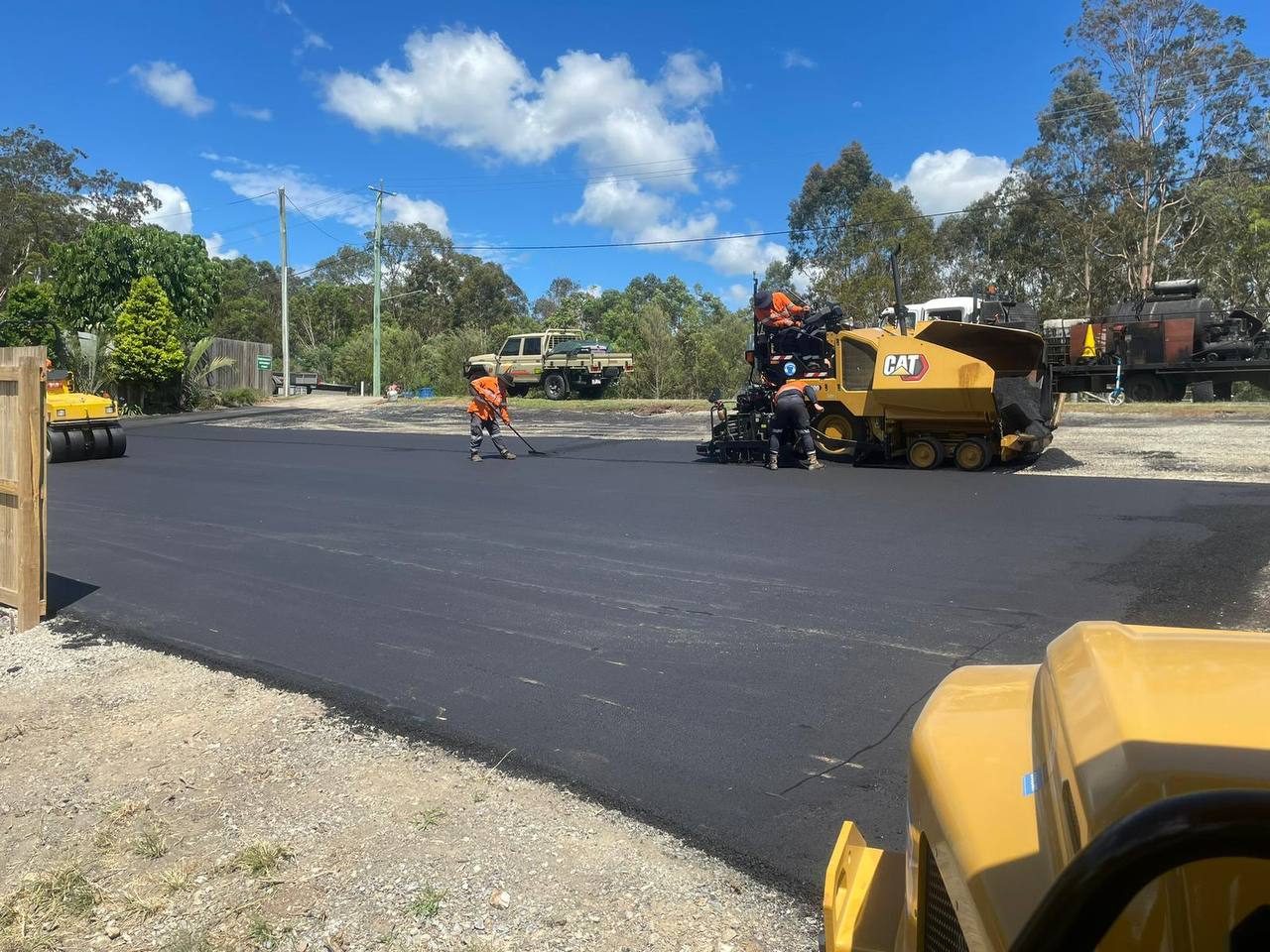
Potholes can develop on driveways, access roads, car parks and other surfaced areas when the surface and the supporting layers beneath it begin to deteriorate. What starts as a small depression can gradually become deeper and wider, particularly when water enters cracks or damaged sections.
For property owners in Dalby, QLD, addressing potholes promptly can help maintain a safer, more reliable surface and reduce the likelihood of further deterioration. Effective repair, however, involves more than simply filling the visible hole.
What Causes Potholes?
Potholes generally develop when the surface and underlying base lose stability. Several factors can contribute to this process.
Water Infiltration
Water can enter through cracks and damaged areas, reaching the layers beneath the surface. If the supporting material becomes weakened, repeated vehicle movement can cause the surface above it to break apart.
Poor drainage can make this problem worse by allowing water to remain around the affected area.
Repeated Vehicle Traffic
Regular vehicle movement places repeated loads on a surfaced area. Where the underlying base is weakened or the surface has already deteriorated, this traffic can gradually enlarge existing defects.
Turning and braking in the same location can also place additional stress on certain sections.
Weak or Deteriorated Base
A pothole may repeatedly return if the material beneath it has become unstable. Simply replacing the surface material may not provide a lasting repair if the underlying cause remains.
Signs a Pothole Needs Attention
Small potholes can become significantly more difficult to manage if they are left untreated. Look for:
- Crumbling edges around the damaged area
- Cracks spreading from the pothole
- Loose surface material
- Increasing depth or width
- Water collecting inside the pothole
- Uneven sections surrounding the damage
Multiple potholes appearing in the same area may also indicate a wider problem with the surface or its supporting base.
How Are Potholes Properly Repaired?
The appropriate repair method depends on the size of the pothole and the condition of the surrounding surface.
Assessing the Damaged Area
The first step is to determine how far the damage extends. Loose and deteriorated material may need to be removed so that the repair is made against a stable surface.
Preparing the Base
If the supporting layer beneath the pothole has been weakened, it may need to be repaired and properly compacted before the surface is restored. This is an important part of creating a durable repair.
Reinstating the Surface
Once the underlying area has been prepared, suitable surfacing material can be installed and compacted. The repaired section should be finished so that it integrates appropriately with the surrounding surface.
Simply placing new material into a pothole without preparing the damaged area can result in a short-lived repair.
Why Pothole Repairs Sometimes Fail
A pothole may return when only the visible defect has been treated. If water continues to enter the area or the supporting base remains unstable, the repaired surface can deteriorate again.
Poor compaction, inadequate drainage and untreated surrounding cracks can also contribute to recurring damage.
For this reason, the cause of the pothole should be considered before deciding how it should be repaired.
How to Prevent Potholes from Returning
Regular maintenance can help reduce the risk of potholes developing or becoming larger.
Maintain Effective Drainage
Water should be able to drain away from the surface efficiently. Persistent pooling around a repaired area should be investigated because moisture can contribute to further deterioration.
Repair Cracks Early
Cracks can provide a route for water to enter the surface. Addressing suitable cracks before they expand may help prevent more extensive damage.
Monitor High-Traffic Areas
Areas exposed to frequent vehicle movements should be inspected periodically. Early signs of settlement, cracking or surface breakdown can often be addressed before they develop into larger defects.
Address Recurring Problems
If the same pothole repeatedly returns, it may indicate an underlying issue rather than a simple surface defect. Professional assessment can help identify whether the base, drainage or surrounding surface requires attention.
Professional Pothole Repairs in Dalby
Effective pothole repair requires consideration of both the visible surface and the material beneath it. The correct approach can help restore the affected area while reducing the likelihood of recurring deterioration.
Dalby Surfacing Solutions provides professional surfacing and pothole repair services in Dalby, QLD, with repair methods selected according to the condition and requirements of the affected surface.
Conclusion
Potholes are often caused by a combination of water infiltration, vehicle traffic and deterioration within the supporting layers. A lasting repair should address the cause of the damage rather than simply filling the visible hole.
If you have potholes or recurring surface damage in Dalby, QLD, contact Dalby Surfacing Solutions to discuss the condition of the area and arrange a professional surfacing assessment and repair.
Call us on: 07 4158 7474
Click here to find out more about Dalby Surfacing Solutions
Click here to complete our contact form and see how we can help with your driveway needs.