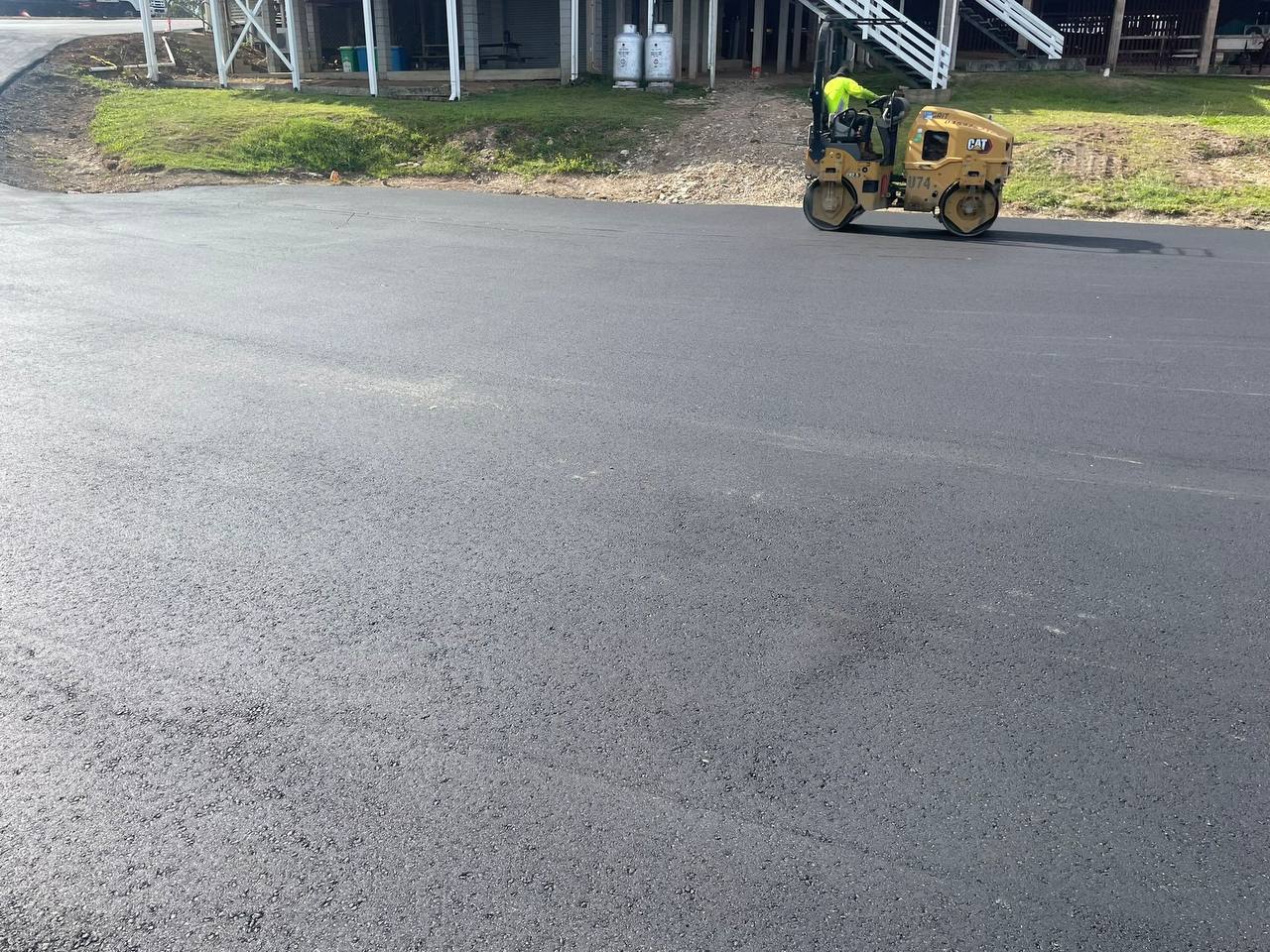
Hardstands are essential for properties that need to support heavy vehicles, machinery, and ongoing operational activity. However, not all hardstands are built to the same standard. A surface described as “heavy-duty” must be designed and constructed to handle significant loads while maintaining stability over time.
For property owners and businesses in Dalby, QLD, understanding what contributes to a truly heavy-duty hardstand can help ensure the surface performs reliably under demanding conditions. At Dalby Surfacing Solutions, hardstands are constructed with a focus on strength, durability, and long-term performance.
Strong Foundations Are Essential
The most important factor in a heavy-duty hardstand is the foundation beneath the surface. Without a stable and properly prepared base, even the best surface materials can fail under pressure.
Professional construction begins with assessing the ground conditions and preparing the subgrade. This includes removing unsuitable material, levelling the site, and compacting the ground to create a solid starting point.
A strong foundation ensures the hardstand can support heavy loads without shifting or settling over time.
Well-Engineered Base Layers
Above the prepared ground, base layers are installed to provide additional structural strength. These layers are typically made from compacted aggregates that distribute weight evenly across the surface.
For a hardstand to be considered heavy-duty, these base layers must be carefully designed to suit the expected load requirements. Areas that will support heavy trucks or machinery require a stronger and thicker base than those used for lighter applications.
In Dalby, where properties may involve agricultural, commercial, or industrial activity, properly engineered base layers are critical for long-term performance.
Appropriate Surface Thickness
The thickness of the asphalt or bitumen surface plays a significant role in the durability of a hardstand. A surface that is too thin may not be able to withstand repeated heavy loads, leading to cracking or deformation.
Heavy-duty hardstands are constructed with the appropriate surface thickness to match their intended use. This ensures the pavement can handle ongoing stress without compromising its structural integrity.
Professional installation ensures that the surface layer is applied consistently and compacted correctly.
Effective Load Distribution
A key characteristic of a heavy-duty hardstand is its ability to distribute weight evenly. When loads are concentrated in one area, the surface is more likely to experience stress and eventual failure.
The combination of a strong foundation, well-compacted base layers, and a properly installed surface allows the hardstand to spread weight across the entire area. This reduces pressure points and helps maintain a stable surface.
This is particularly important in areas where vehicles frequently turn, park, or remain stationary for extended periods.
Proper Drainage Design
Water can significantly affect the performance of a hardstand if not managed correctly. Moisture that enters the base layers can weaken the structure and lead to surface deterioration.
A heavy-duty hardstand is designed with proper grading to direct water away from the surface. This helps protect the underlying layers and maintain the strength of the pavement.
In Dalby, effective drainage is essential for ensuring the hardstand remains reliable in varying conditions.
Precision Construction and Compaction
The construction process itself is a major factor in determining whether a hardstand performs as a heavy-duty surface. Each layer must be installed and compacted correctly to achieve the required strength.
Professional contractors use specialised equipment to ensure consistent compaction and surface quality. This creates a dense and stable structure that can withstand repeated use.
Attention to detail during construction helps prevent issues such as uneven surfaces, weak points, or premature wear.
Designed for Long-Term Performance
A truly heavy-duty hardstand is not only built to handle immediate loads but also to maintain performance over time. This requires careful planning, quality materials, and proper construction techniques.
When all elements are combined correctly, the result is a surface that remains stable, functional, and resistant to wear even under demanding conditions.
For property owners in Dalby, investing in a well-constructed hardstand supports reliable operations and reduces the likelihood of future surface issues.
Conclusion
A heavy-duty hardstand is defined by more than just its surface appearance. Its strength comes from a combination of proper ground preparation, engineered base layers, appropriate surface thickness, effective drainage, and precise construction.
For properties in Dalby, QLD, these factors are essential in creating a surface that can handle heavy vehicles and equipment while maintaining long-term reliability. A professionally constructed hardstand provides the stability and durability required for demanding environments.
Dalby Surfacing Solutions delivers hardstand construction with a focus on strength and performance. If your property requires a surface capable of supporting heavy use, arranging a professional assessment can help ensure the hardstand is designed and built to meet your specific needs.
Call us on: 07 4158 7474
Click here to find out more about Dalby Surfacing Solutions
Click here to complete our contact form and see how we can help with your driveway needs.